

You’re finally heading off on vacation, but you still need to work out how to water plants while away. Not everyone has a neighbor or someone close to them who can stop by regularly. Fortunately, a few simple steps can help your houseplants and potted plants hold on until you get home.
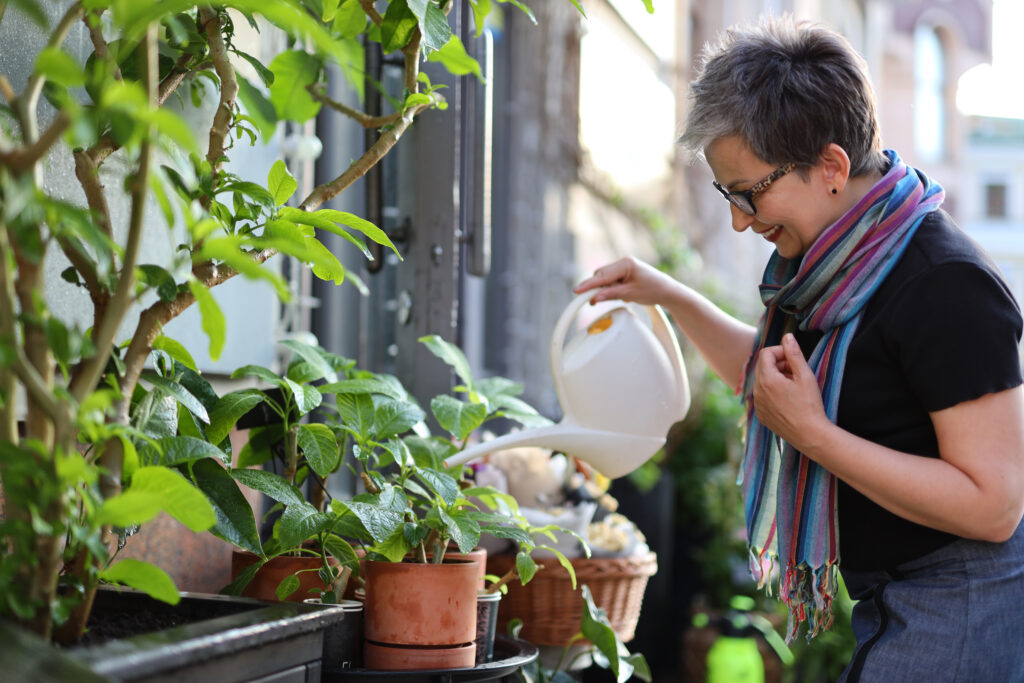
A little planning can limit damage and prevent wilted leaves, giving you a better chance of coming home to healthy plants. Here are 4 easy tips to put into practice before you close the door.
1. Prepare your plants before you leave
Give your plants some attention before your trip. A healthy plant can cope much better with a few days without care. A few days before leaving, take time to check each pot. If a plant looks cramped, repot it in a slightly larger container with a suitable potting mix. Remove yellow leaves, damaged stems and dead branches, too. This lets the plant save its energy for the parts that are still healthy.
Then water thoroughly, but don’t overdo it. The aim is not to turn the pot into a swamp, as too much water can rot the roots. Ideally, moisten the potting mix deeply, then let the excess drain away. For sensitive plants, always check that the pot has a drainage hole.
2. How to water plants while away using a tub or reservoir
If you enjoy DIY projects, you can set up a small homemade irrigation system. But many homes already have a very simple solution: the bathtub.
Fill it with a few centimeters of water; there’s no need to fill it to the brim. Place sturdy boards, a rack or another stable support above the water, then set your pots on top. The idea is to use a cotton wick or an absorbent cord. Insert one end into the soil, either from above or through the hole in the pot, and leave the other end in the water.
Through capillary action, the wick absorbs water and gradually carries it to the plant. This is a practical method for short or medium-length absences. Before leaving, test it for a day to check that the wick works properly and the soil doesn’t become too wet.
Hardware stores also sell almost ready-to-use reservoir systems that water the plant directly through a reinforced bottle and a drip feed. They don’t cost much, but their reliability can be hit-or-miss.
3. Move your plants to a sheltered spot
The less energy a plant uses, the less water it needs. Before leaving, avoid keeping it in full sun, behind a very hot window or in a draft. Move your pots somewhere bright but out of direct sunlight.
For outdoor plants, find a shadier spot sheltered from the wind. You can also cover the soil’s surface with a little straw, hay, wood chips or even clay pebbles. This mulch helps retain moisture for longer and reduces evaporation.
Remember to trim dead or badly damaged parts as well. Dry branches and unhealthy leaves don’t just look unattractive: they can also put unnecessary strain on the plant. A little tidying before you leave can make a real difference.
4. Choose plants that suit your lifestyle
If you travel often, choose plants that cope well with missed waterings. Some species are much easier to care for than others.
Cacti are known for their resilience because they store water in their tissues. Succulents, such as aloe vera, echeveria or crassula, are also very good options. You could also consider hardy plants such as sansevieria, zamioculcas or pothos, which need little maintenance and tolerate short absences better.
These plants won’t replace a spectacular tropical jungle, but they have one big advantage: they stay attractive without constant attention. When you return from a trip, you’re more likely to find them in good shape.
 Open Immovlan