

Asian hornets could return in large numbers this year, generally from late spring. For Brussels residents, knowing the difference between an Asian hornet vs European hornet is a useful starting point. Before considering traps, here is how to recognize them and respond effectively at home.
Brussels Environment (Bruxelles Environnement) has launched a campaign, distributing more than 4,000 traps to municipalities. The aim is clear: capture queens in spring to prevent new nests from forming. But keeping watch is not just a job for the authorities.
Asian hornet vs European hornet: how can you tell?
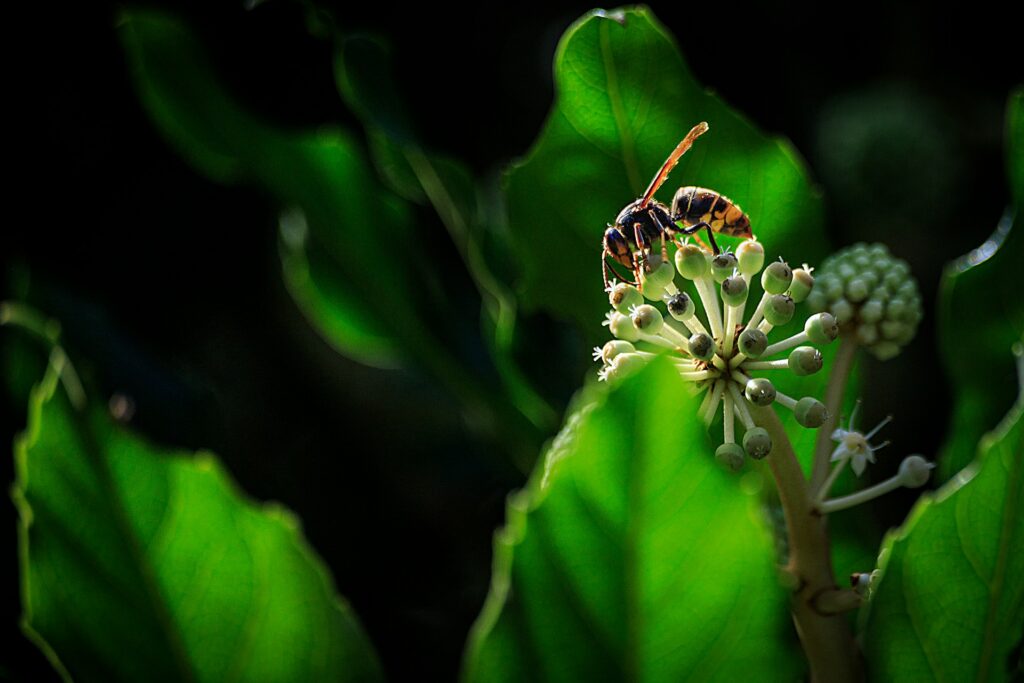
The Asian hornet, also known as the yellow-legged hornet, looks quite distinctive once you know what to look for. It is generally darker than its European cousin, with an almost black body. The most noticeable features are a single orange band on its abdomen and yellow leg tips, as though they had been dipped in paint. The legs are often the most reliable feature for telling them apart.
Where might you find them at home?
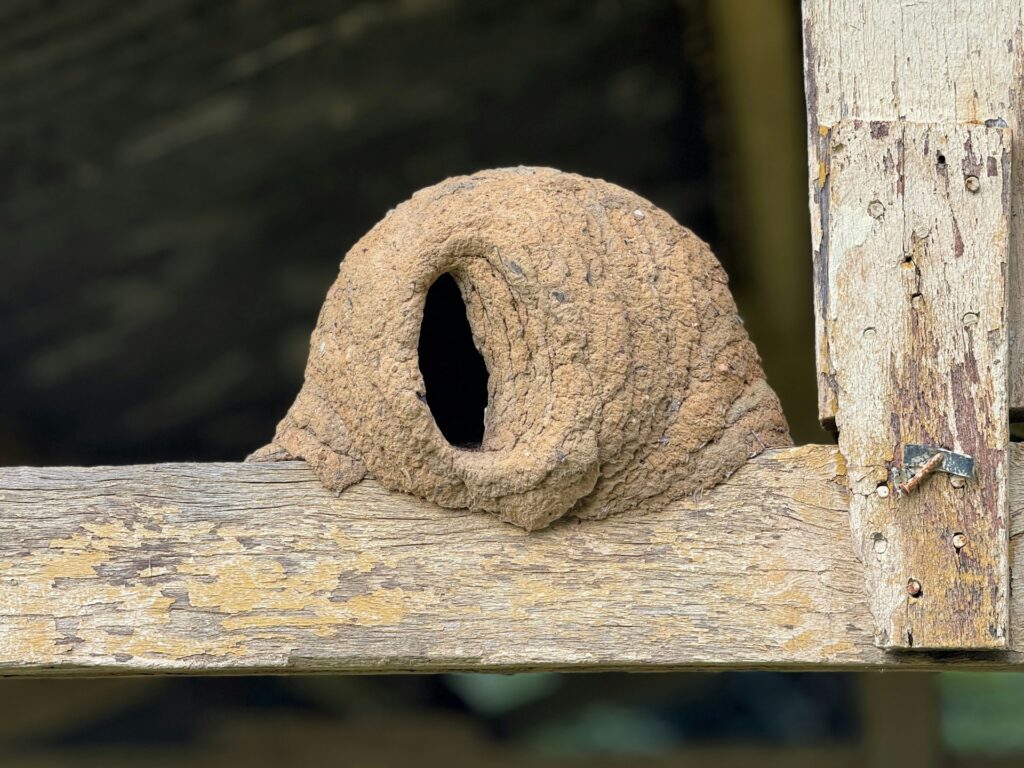
Nests often appear in tucked-away places, sheltered from the wind and out of sight. In spring, they are still small, which makes them easy to miss, but also easier to have removed in time if you spot them.
The most common places are:
- garden sheds and storage sheds
- roof overhangs
- certain trees, especially later in the season
Insects regularly coming and going from the same spot are often a good clue.
What should you do first if you spot them?
You may be tempted to deal with the problem yourself. That is a bad idea. The first rule is simple: keep your distance. Even a small nest may already house several hornets ready to defend their colony.
In practice:
- do not try to destroy the nest
- avoid sudden movements or improvised attempts to deal with it
- take time to observe from a distance to confirm what you have seen
A lone hornet is not necessarily a problem. The presence of a nest changes the situation.
Who should you contact, and how should you act?
If there is a nest on your property, responsibility falls to you. In this case, calling in specialist professionals is strongly recommended. Some beekeepers may even come free of charge because they are understandably concerned about their bee colonies! They have the equipment and protective gear needed to work safely. In an urgent situation, for example if a living area becomes inaccessible, the fire service may intervene free of charge. For nests in public spaces, reporting them through the Fix My Street app allows them to be dealt with quickly.
Traps: useful, but use them with care
The trap distribution is part of a specific strategy: targeting queens at the right time. But using traps requires some care. Used incorrectly, they can catch other insects that are essential to the ecosystem. The authorities’ message is clear: use traps, but do so carefully and at the right time.
Why Asian hornets cause so much concern
The Asian hornet is mainly a problem because of what it hunts. Unlike other species, it directly attacks bees to feed its larvae. This has a real impact on beekeeping and, more broadly, biodiversity. The danger to people remains limited, except near a nest. There, hornets can react quickly as a group, making the situation very different.
 Open Immovlan