

If there are more birds in your garden than usual, it is no coincidence: they read your patch of ground better than anyone.
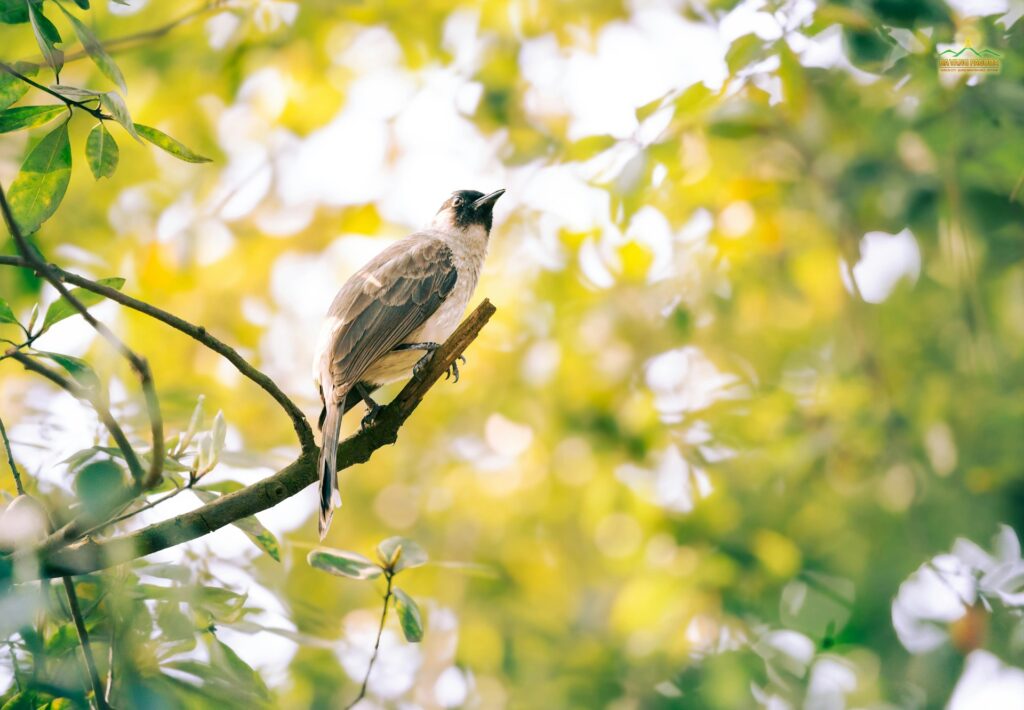
When birds gather in your garden in large numbers, it is often a very good sign. Their presence often suggests that your garden offers a welcome mix of food, shelter, varied vegetation and quiet corners.
A natural garden with trees, shrubs, less frequently mowed areas and some native plants attracts more species. As Natagora points out, the more natural and diverse a garden is, the more kinds of birds it can support.
What birds in your garden reveal about soil health
Birds do not eat soil, of course, but they benefit from everything your living soil supports: worms, insects, larvae, woodlice, spiders, fallen seeds and small fruits. If your garden attracts lots of birds, it may indicate that your soil is rich enough to sustain a small food chain.
Soil that stays covered and is never tidied too thoroughly, with fallen leaves, compost and varied plants, becomes a well-stocked buffet. Compost, for example, encourages an easily overlooked but essential community: earthworms, microorganisms, fungi and small decomposers that aerate and enrich the soil. The circle of life, as Disney would say!
Hedges tell you something about your garden, too
A country-style hedge provides berries, seeds and insects, as well as places to hide from cats, wind and prying eyes. Hawthorn, elder, dog rose, hornbeam and ivy are native plants that make your garden very useful to wildlife. Far more useful, of course, than a row of arborvitae. Hedges support many birds, especially when they combine several native species and produce fruit or berries.
Lots of birds are not always a reliable sign
A word of caution: a large gathering of birds around a feeder does not necessarily mean your soil is exceptional. It may simply mean the buffet is open. Feeding helps in winter, but it calls for care: feeders and birdbaths must stay clean to prevent diseases from spreading. The real positive sign is diversity: tits, blackbirds, robins, sparrows, finches and more. If several species visit different parts of the garden, your plot probably offers a good variety of resources.
To keep them coming back, you do not need to turn your garden into a nature reserve, complete with an official sign and binoculars around your neck. Leave some fallen leaves on the ground and avoid pesticides. Plant native species, keep a wild corner and accept a little untidiness. Nature loves it.
 Open Immovlan