

Deciding which heat pump should I choose comes down less to the technology’s name, air-to-water, air-to-air or ground-to-water, than to the home and the budget.
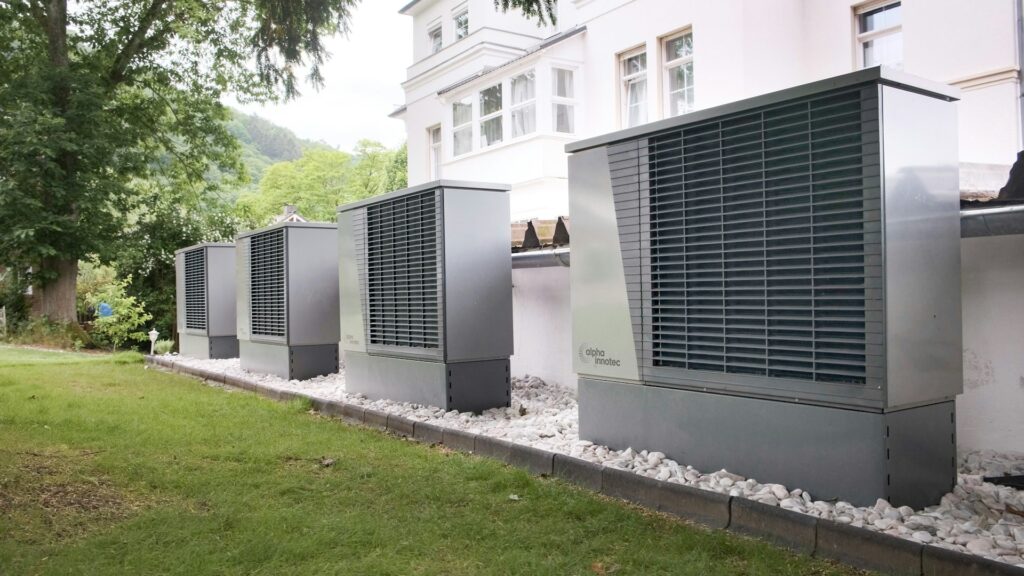
CREG analyzes three types of heat pumps: air-to-water, air-to-air and ground-to-water. They share the same goal, heating with less fossil fuel, but they do not suit exactly the same situations. The right choice depends on the existing heating system, insulation levels, heating needs, region and installation cost. There is no single perfect heat pump for every home. That would be too easy!
Air-to-water: a natural replacement for a boiler
The air-to-water heat pump is the focus of CREG’s main analysis. It is a fairly natural replacement for a boiler in a central heating system because it heats water that supplies radiators, underfloor heating or other heat emitters. This makes it the most straightforward option to compare with a gas boiler.
It becomes particularly appealing in a house already equipped with a hot-water heating circuit, such as a detached home with underfloor heating or low-temperature radiators. This is especially true in Flanders, where more favorable electricity prices increase the potential savings.
It also makes sense when replacing a gas boiler at the end of its life if the owner wants to avoid redoing the entire heat distribution system. In a poorly insulated house with old radiators that need very hot water, however, it may lose efficiency. The technology is still sound, but the building holds it back. Those other issues will need attention first.
Air-to-air: often simpler, but not a complete solution on its own
An air-to-air heat pump heats indoor air directly. It can be an appealing option in some homes, particularly when installing a water-based heating circuit is not the main aim. However, CREG includes the installation of a heat pump water heater to provide domestic hot water. Comparing only the price of the heating unit is therefore not enough.
This solution may be a better fit for a well-insulated apartment, a small renovated house or a home without existing central heating. It may also appeal in a property already partly heated by wall-mounted units, or during a light renovation where the aim is to keep building work to a minimum.
Another suitable setting is a very well-insulated home with few rooms to heat and modest heating needs. The potentially lower investment makes it appealing, provided forced-air heating delivers the comfort you expect. For a large family house with several bathrooms and high hot-water demand, however, air-to-air alone quickly reaches its limits.
Ground-to-water: efficient, but more demanding to install
A ground-to-water heat pump draws heat from the ground. It can deliver very good performance because ground temperatures are more stable than outdoor air temperatures. However, this technology generally involves a larger investment and more extensive installation work.
It is most appealing in projects that can accommodate that upfront cost: a new build, a major renovation, a house with a garden available for horizontal ground collectors or a plot that allows drilling.
Another favorable scenario is a home with high heating needs that is already designed for low-temperature heating, such as a renovated villa with underfloor heating. A ground-to-water heat pump can then run very efficiently. It is a less obvious fit for a small urban home, an apartment or a house without accessible land.
How the options compare
CREG does not identify a clear winner. Its approach instead shows that cost-effectiveness depends on the balance between investment cost, SCOP, heating needs, region and energy prices.
Air-to-water is often the most practical starting point when replacing a boiler. Air-to-air can appeal for its simplicity in homes with low heating needs or no central heating. Ground-to-water can stand out for its performance, but it needs a bigger budget and suitable land.
Which heat pump should I choose? The options at a glance
- A well-designed air-to-air system may sometimes be enough for a small, well-insulated house.
- A family house with central heating will often benefit from considering air-to-water.
- A major renovation with available land, sufficient budget and high heating needs may justify ground-to-water.
 Open Immovlan