

If you rent or let an oil-heated home, there may still be several liters of fuel in the tank at the start of the lease. Here is what rental heating oil rules in Belgium mean for a landlord who wants the tenant to buy that remaining fuel.
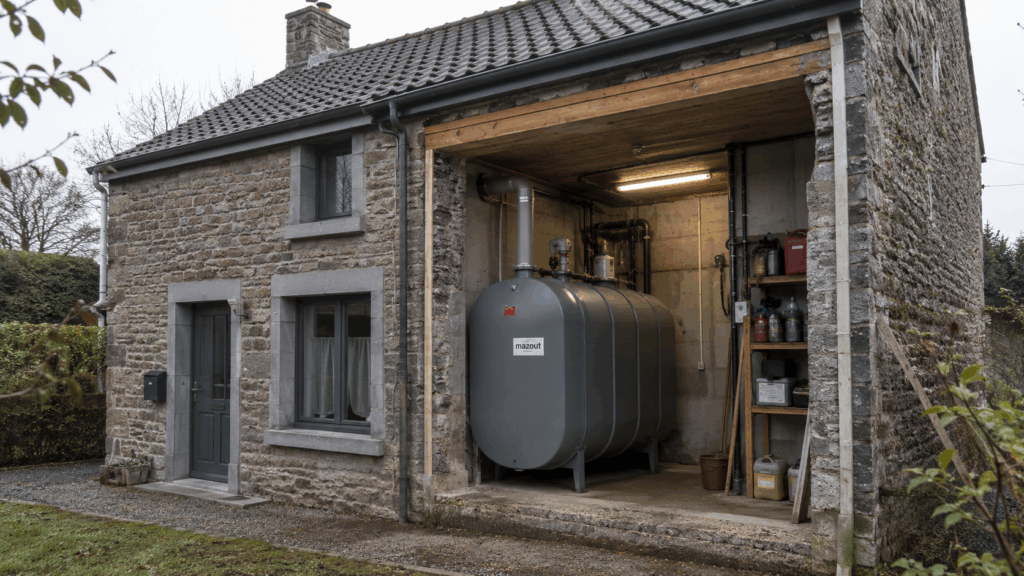
The heating oil tank is very often not completely empty when a tenancy begins, and the tenant uses the remaining fuel to heat the home. Whether the landlord can charge for that oil depends on what has been agreed.
Rental heating oil rules in Belgium: charging the tenant
The landlord and tenant can agree in the lease that the tenant will pay for the heating oil already in the tank. The number of liters can be calculated by using a gauge to measure the depth of the remaining fuel in centimeters.
If the lease contains no such provision, the landlord cannot force the tenant to buy the oil. If the tenant refuses the request, however, the landlord can decide to empty the tank before the tenant moves in.
Refilling the tank at the end of the lease
Another option is to agree that the tenant must leave the tank filled to the same level at the end of the tenancy as it was at the start. In this case, both parties should sign a written record stating exactly how much heating oil was in the tank when the tenancy began.
This written record helps avoid disputes when the tenant moves out and serves as evidence if there is a disagreement. It is therefore advisable to clearly record the tank’s fill level in the property condition report (état des lieux) or in a separate document signed by the landlord and tenant.
What happens to leftover oil at the end of the tenancy?
If there is more heating oil in the tank at the end of the lease than there was at the start, the tenant cannot require the new tenant or the landlord to reimburse them for the extra quantity, unless the parties have agreed otherwise.
However, the departing tenant is allowed to remove heating oil from the tank and take it with them. If the quantity in the tank was recorded at the start of the lease, the outgoing tenant must nevertheless leave at least that same quantity of fuel in the tank.
In practice, it is best to settle this question when signing the lease to avoid misunderstandings or disputes later. A clear clause covering the heating oil left in the tank lets both landlord and tenant know exactly what their rights and obligations are.
 Open Immovlan