

In a dispute with a contractor, the court may appoint an expert (expert judiciaire). Here is how long judicial expertise in Belgium (expertise judiciaire) can take and what you can do if the process seems to drag on.
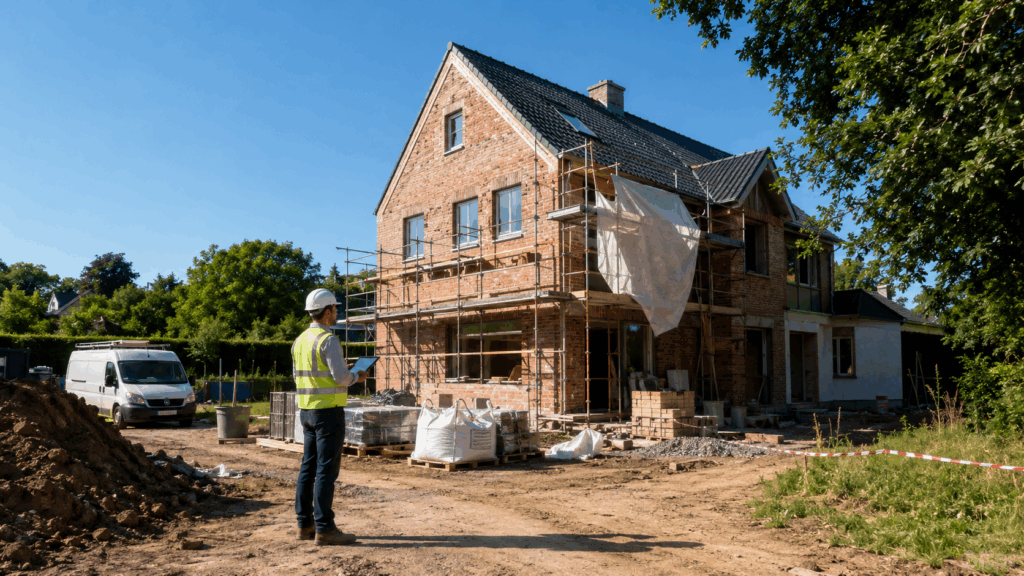
When a dispute arises over defective construction work or damage found at the end of a lease, the court may appoint an expert. Their role is to examine the facts independently and submit a report to help the judge resolve the dispute.
How long does judicial expertise in Belgium take?
The law sets no fixed deadline for completing judicial expertise. However, the judge generally specifies a deadline in the judgment appointing the expert. This does not necessarily mean that the expert’s work will be completed within that time.
If the expert believes they need more time to carry out their assignment properly, they can ask the court for an extension of the deadline for submitting their report.
In practice, judicial expertise often takes several months, or even more than a year. The expert generally needs to visit the site to assess the situation, carry out checks or examinations where necessary, and analyze the material in the case file.
They then prepare a preliminary report, which the parties can respond to with their comments. After reviewing and addressing those comments, the expert prepares the final report.
Court proceedings are generally suspended throughout the expert’s assignment. The judge waits for the expert’s conclusions before continuing to examine the case.
Cooperate actively with the expert
To help the expert’s work move forward as quickly as possible, both you and your lawyer need to cooperate fully.
When the expert suggests dates for a site visit, try to make yourself available where possible. Similarly, when you receive the preliminary report, it is best to submit your comments within the allotted time, or as soon as you can.
What can you do if the expert’s work is not progressing?
If you feel the court-appointed expert is taking too long to carry out their assignment, your lawyer can first contact them and ask them to move the work forward within a reasonable time.
If this produces no results, you can ask the court to summon the expert to explain their progress and be asked to speed up the work.
As a last resort, if the situation still does not improve, you can ask the court to appoint another expert. Bear in mind, however, that a new expert will have to review the case from the beginning and carry out all the inspections and analysis themselves. This option could therefore end up making the proceedings take even longer.
 Open Immovlan