

Building warranties in Belgium may offer protection if you buy a relatively recent house or apartment and discover defects some time later. Here is what you need to know about holding the contractor who carried out the work liable and asking them to repair the defects at their own expense.
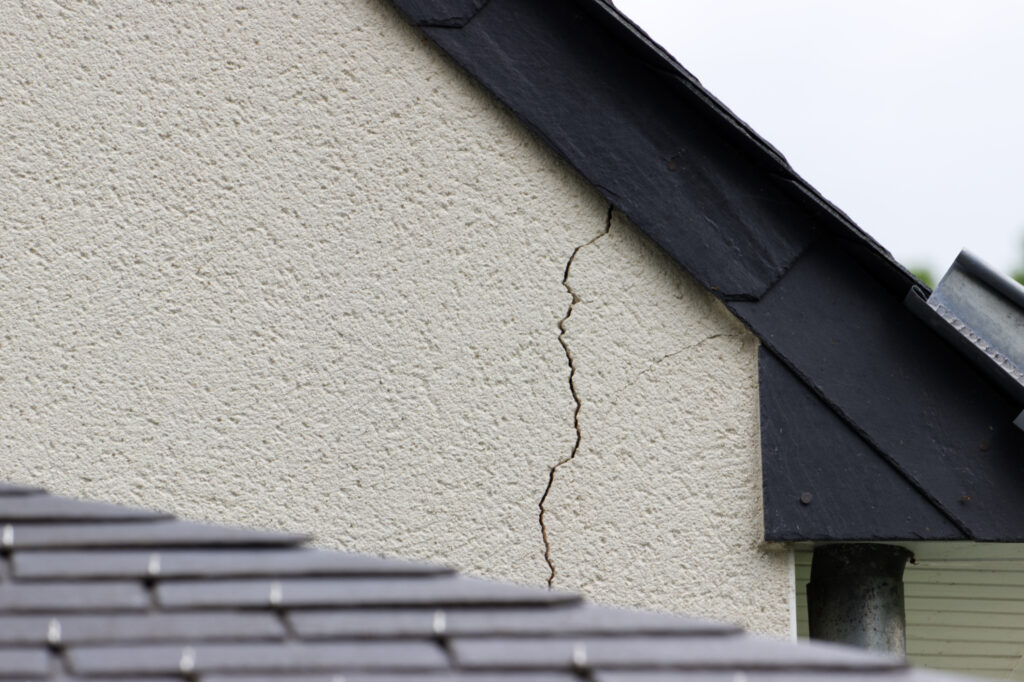
Building warranties in Belgium: the contractor’s ten-year liability
A contractor can be held liable for certain serious hidden defects (vices cachés) affecting a building for 10 years. These defects must be serious enough to compromise the structural soundness of the building or one of its essential elements. This is generally known as ten-year liability (responsabilité décennale). This protection is not limited to the original owner who had the home built: someone who later buys the property can also invoke it.
When you buy a house or apartment, you generally take over certain rights that the original client who commissioned the work (maître d’ouvrage) could exercise against the contractor. In other words, not having signed the contract with the contractor yourself does not necessarily mean you cannot make a claim against them.
If a serious defect appears and falls within the scope of ten-year liability, you can therefore approach the contractor directly as the new buyer and ask them to take responsibility.
However, you will need to demonstrate that the problem falls within the scope of this 10-year warranty. Not every defect in a home is automatically covered. Ten-year liability primarily concerns problems serious enough to threaten the stability or structural soundness of the building or a significant part of it.
What about less serious hidden defects?
It may sometimes also be possible to hold the contractor liable for less serious defects that do not compromise the building’s structural soundness. For example, a defect might not have been visible when you bought the property, only becoming apparent after you moved in. Here too, as the buyer, you may benefit from the rights the original client had against the contractor.
However, you must not wait too long to act. For this type of defect, legal action must generally be brought within a relatively short period from the time the defect is discovered or becomes clearly identifiable. If you notice a problem, it is therefore best to report it to the contractor promptly, preferably in writing.
It may also help to keep photos, technical reports, email exchanges or any other documents that could prove the existence of the problem and how it has developed. This evidence could matter if the discussion turns into a dispute.
What about an additional warranty?
A contractor sometimes gives the original owner an additional contractual warranty (garantie contractuelle supplémentaire) that goes beyond the warranties provided by law. For example, they might have promised the original client a 10-year warranty covering not only serious defects but other types of problems too. In that case, you need to examine the precise terms of the warranty carefully to check whether you can also benefit from it as a subsequent buyer.
This is not the same as statutory ten-year liability. For an additional contractual warranty, the contractor may have included restrictions. In particular, they might have stipulated that the warranty is valid only for the original client and cannot be transferred to a future owner.
Before asking the contractor to carry out work under this warranty, it is therefore advisable to consult the documents relating to the home’s construction: the construction contract (contrat d’entreprise), general terms and conditions, warranty certificates, invoices or any agreements between the previous owner and the contractor.
Check your rights before incurring costs
If you discover a defect in a relatively recent house or apartment, do not assume you will necessarily have to pay for the repairs yourself. Depending on the nature and severity of the problem, and when it appears, you may still have a claim against the contractor who built or renovated the property.
For a serious defect that could compromise the building’s structural soundness, you may be able to invoke ten-year liability. Legal action may also be possible for less serious hidden defects, but you need to act promptly. Finally, if the previous owner was given an additional warranty, check its terms carefully to establish whether it also applies to you.
 Open Immovlan