

Along with the kitchen, the bathroom is one of the rooms that has changed most in recent years. Today, we expect it to be practical and comfortable, easy to maintain, and pleasant to use every day. That’s quite a wish list!
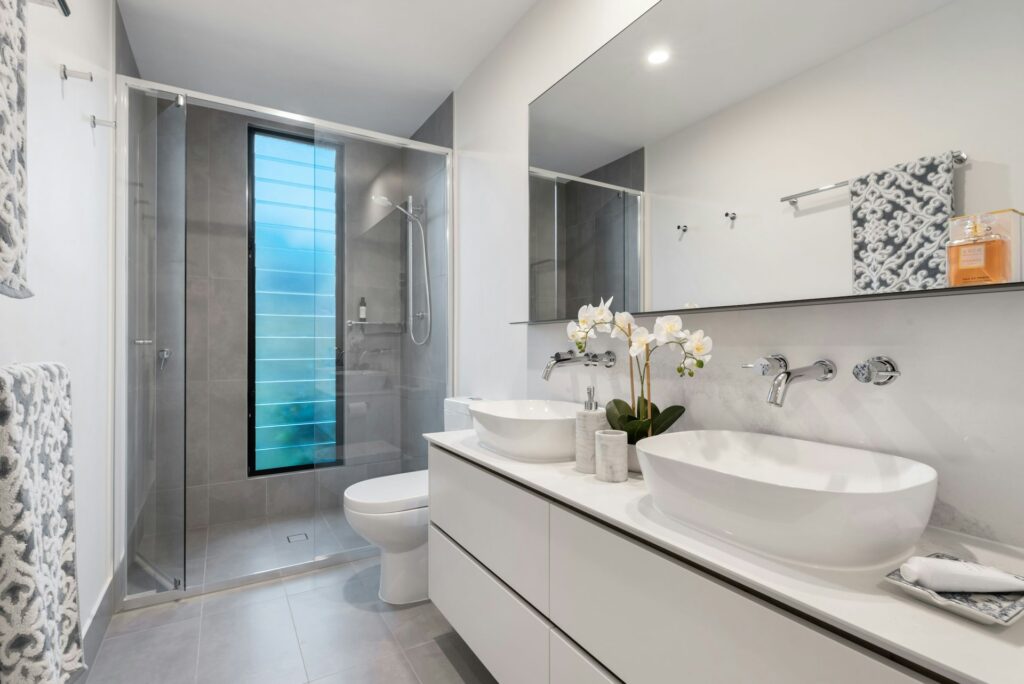
Before you start renovating, it pays to know the common pitfalls. From microcement bathroom problems to cramped layouts and inadequate ventilation, poor choices can quickly turn your project into a source of frustration. Here are seven common mistakes to avoid for a bathroom that looks good, works well, and lasts.
1. Choosing bargain paint
Bathroom walls face constant exposure to moisture, condensation, and temperature changes. Standard paint is generally not the most durable choice for this room.
Tile remains one of the most reliable long-term options: it resists water better, is easy to clean, and needs little maintenance. If you still want to paint some walls, choose an acrylic paint designed for humid rooms, formulated to cope better with bathroom conditions.
The surfaces must also be completely dry before you paint. If the surface is still damp, the paint may blister, crack, or peel sooner. Investing in a quality product at the outset is better than having to redo the work a few months later.
2. Installing a two-handle faucet instead of a single-lever faucet
A two-handle faucet can have a certain charm and suit a classic or retro bathroom. In practice, though, it is not always the most convenient option for everyday use.
You have to adjust the hot water and cold water separately each time. That takes longer and often means using more water before you reach the right temperature.
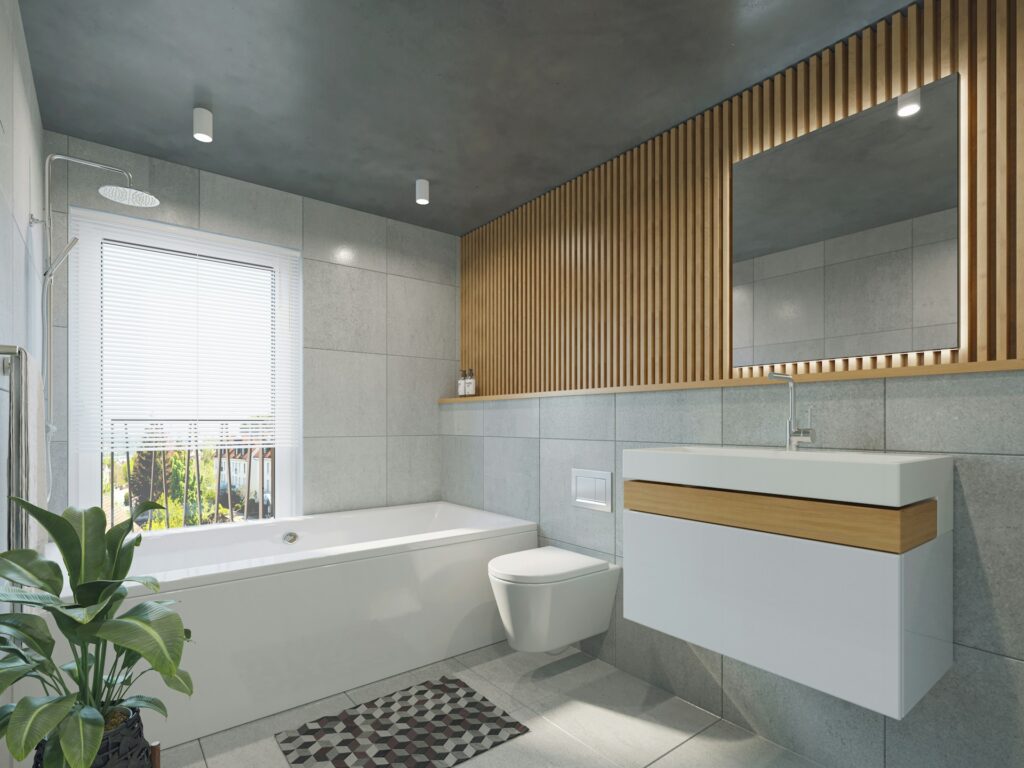
A single-lever faucet is much simpler and more practical. It lets you adjust the temperature faster and makes everyday use more comfortable, especially for the whole family. It is a more modern choice, often more economical and more pleasant to use.
3. Leaving too little room to move
When renovating a bathroom, it is tempting to fit in more: a walk-in shower, a bathtub, a second sink, extra storage, or even a toilet. It may all look appealing on paper, but an overcrowded room quickly becomes impractical.
One common mistake is overlooking space to move around. To use the fixtures comfortably, you need to leave a minimum amount of space in front of each one. The general recommendation is around 60 cm of clear space in front of cabinets, the sink, the shower, or the toilet.
That clearance makes a real difference every day. Moving around is easier, and the room feels less cramped and more pleasant to use. A well-designed bathroom is not necessarily the one with the most features, but the one with the best balance between comfort and functionality.
4. Overlooking shadow-free lighting around the mirror
Lighting sometimes becomes an afterthought during renovation work, even though it plays an essential role in a bathroom. This is often the first room you enter in the morning.
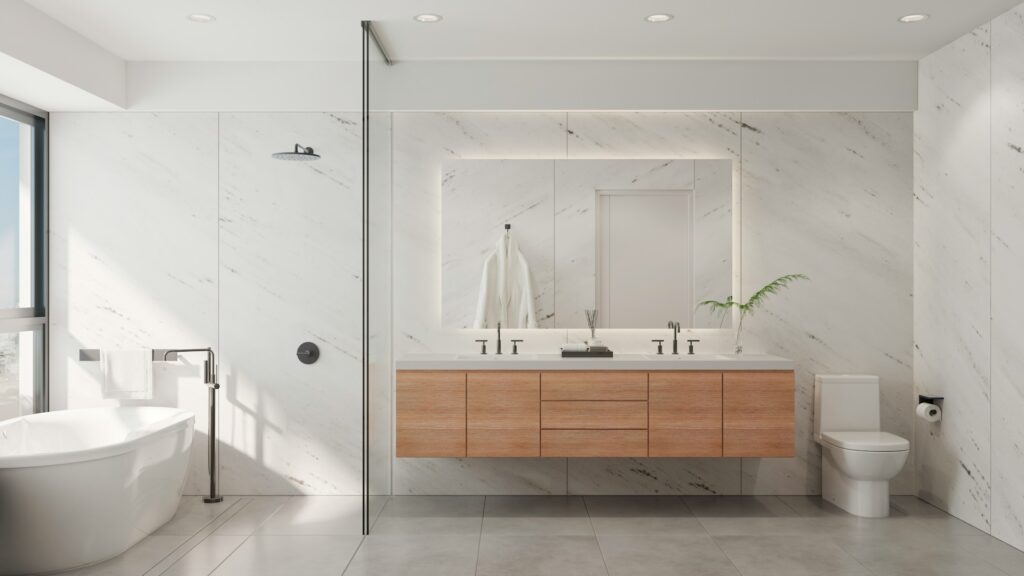
A single ceiling light, for example, often casts shadows across your face, particularly in front of the mirror. That makes the light neither flattering nor practical when applying makeup, shaving, or simply getting ready.
Ideally, plan for well-distributed lighting around the mirror to light your face evenly. This improves visual comfort as well as the room’s overall atmosphere. Harsh or poorly positioned lighting can make you look tired, so give it careful thought.
5. Overlooking microcement bathroom problems
Microcement is increasingly popular, and its distinctive contemporary style is certainly appealing. Its understated, elegant finish is particularly appreciated in modern bathrooms.
That said, it is not necessarily the easiest finish to work with. Installation requires considerable precision, and even a small mistake in preparation or application can affect the final result. In most cases, it is best to leave this work to a professional.
Bear in mind, too, that microcement can develop cracks or signs of wear over time, particularly if it was not installed perfectly. It is an attractive option, but one that requires genuine expertise and a budget to match.
6. Underestimating ventilation
This is undoubtedly one of the most common mistakes. The bathroom is naturally the most humid room in the home. Without effective ventilation, moisture builds up, encouraging mold and unpleasant odors. It can also damage paint and cause materials to wear out prematurely.
Many people think that opening a window occasionally is enough. Under the legislation, a window does indeed suffice as a means of ventilation. In practice, however, it is not always enough.
To limit problems, installing an exhaust fan is often a sensible choice. In some cases, an electric dehumidifier can also help, particularly if the dampness persists.
7. Placing electrical equipment too close to water
This may seem obvious, but this basic rule is not always followed, especially in small bathrooms where every centimeter counts.
Caution is essential: electrical equipment must always be kept well away from showers, bathtubs, and any water source. A hair dryer, fan heater, outlet, lamp, or any other equipment needs a carefully considered position in this room.
 Open Immovlan