

Feeding garden birds in spring can become unnecessary. When warmer days return, birds can find food on their own, and our well-meant habits can be too much.
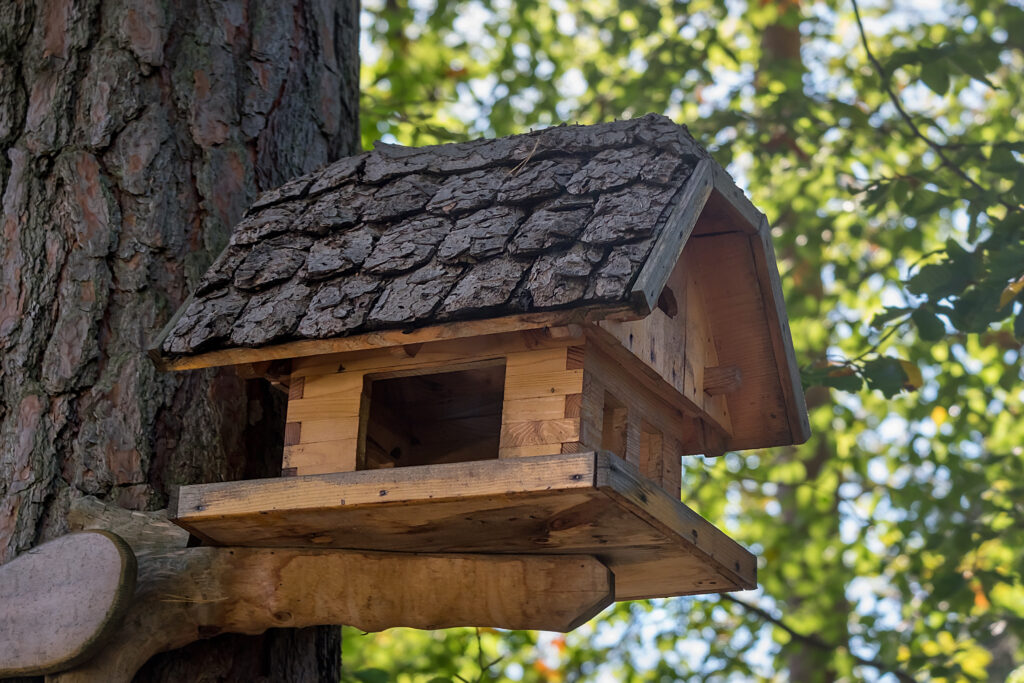
In winter, filling bird feeders really helps. When frost blocks access to worms, insects and naturally available seeds, birds use a lot of energy to survive. Offering them a little food can then make a difference.
But in spring, things change. Buds appear, insects return and worms come back to the surface, while berries and young shoots round out the menu. Nature opens its buffet again. At this point, birds no longer really need our help to find food.
Continuing to put out seeds can even become counterproductive. What seemed useful a few weeks earlier may now disrupt a natural balance that works very well without us. Many specialists recommend stopping feeding around the end of March, once weather conditions no longer directly threaten the birds’ survival.
The risks of feeding garden birds in spring
The real concern is not just that feeding becomes unnecessary. In milder temperatures, bird feeders also become breeding grounds for bacteria and parasites. Leftover food deteriorates faster, moisture builds up and birds gather in the same place, sometimes in large numbers.
These crowded conditions encourage the spread of diseases, such as salmonellosis and trichomoniasis. The latter is monitored particularly closely because it contributes to the decline of the European greenfinch, a familiar visitor to our gardens.
What to do instead
Stopping feeding does not mean abandoning the birds. Quite the opposite. There are more useful, safer ways to help at this time of year. The first is to provide water. Birdbaths are essential throughout the year: birds drink from them, but also bathe in them to keep their feathers in good condition.
Make sure you change the water every day. Stagnant water quickly attracts mosquitoes, germs and parasites. A simple, clean, shallow birdbath does far more good than an overcrowded feeder.
Your best ally: a natural garden
To give birds a lasting welcome, nothing beats a natural garden. Hedges and bushes offer shelter and sometimes food. Orchards, flower-filled meadows and slightly wild areas attract insects and provide fruit and seeds. A pond or a small water feature brings even more life and opportunities to hunt for food.
In practice, this often means mowing a little less, leaving a few corners to grow more freely, resisting the urge to “tidy up” every inch and accepting that a living garden does not always look like a magazine photo!
 Open Immovlan