

Home decorating on a budget doesn’t mean giving up on beautiful rooms, clean lines or objects with character. You can create a warm, stylish home without unlimited funds, even when your decorating wish list stretches beyond what you can spend. A good eye and a few smart shopping habits can help you transform your house or apartment without running up a huge bill.
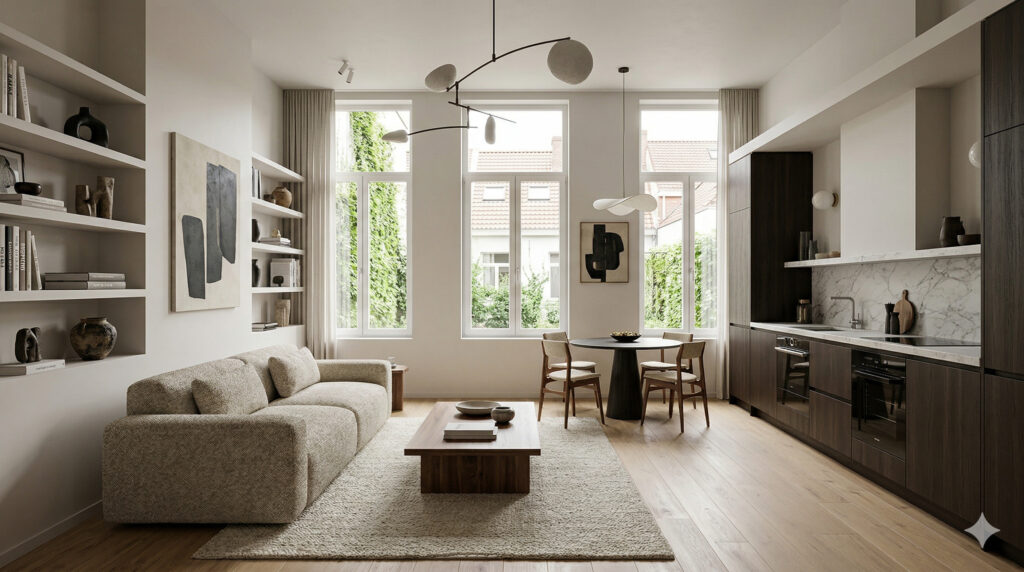
You don’t need to buy everything new or stick to major retailers. A successful interior often combines good deals with carefully chosen pieces and simple, effective ideas. Here’s how to give your home more style without emptying your wallet.
Where can you find affordable decor? Start at flea markets
For unique objects at affordable prices, flea markets remain a reliable option. You’ll find everything from small furniture and lighting to mirrors, tableware, vintage seating and decorative accessories with plenty of charm. Often, these unexpected finds are exactly what gives a home its personality.
Look for flea markets where private individuals sell their belongings. Their prices are generally more flexible than professional dealers’ prices, making it easier to find a genuine bargain. Two times are particularly good: early in the morning, when you can spot the best pieces before everyone else, or near closing time, when sellers may prefer to lower their prices rather than pack up their unsold items.
It’s also worth exploring more rural areas, where prices are often more reasonable than in big cities. Above all, bring cash, including small change. It makes both buying and negotiating easier.
Find hidden gems on auction and secondhand websites
Finding furniture and decorative objects through online marketplaces is now straightforward. Sites such as eBay, 2ememain and Facebook Marketplace regularly offer promising finds. You can come across designer furniture, vintage pieces, iconic chairs and small decorative objects at prices far below those in stores.
The best approach is to be patient and check listings regularly. The best deals often go quickly, but persistence can lead you to a beautiful piece at a very attractive price. Check smaller or local platforms too. They’re often less well known, so there’s less competition from other buyers.
Be cautious, though, if a listing claims to offer a designer piece at a surprisingly low price. Imitations and counterfeits do exist online. Always ask for additional photos and check the details, finishes, labels or provenance before buying.
Explore secondhand stores and consignment shops
Secondhand stores are another excellent option for furnishing or accessorizing your home with style. Something its owner no longer wants could become the piece that catches everyone’s eye in your home. A small side table, a retro armchair, an unusual lamp or an antique frame can sometimes completely change a room’s atmosphere.
Bear in mind that some secondhand stores now charge more than they used to. A good alternative can be a consignment shop, where you can sometimes find higher-quality objects at prices that are still attractive. Retailers such as Troc are a good example.
The key here is persistence. Rather than trying to find everything in one day, build your interior over time by adding carefully chosen pieces. This approach often gives a space the most character.
Try lesser-known brands for a more personal style
A stylish interior doesn’t have to consist entirely of furniture from big-name design houses. Prestigious brands certainly have their appeal, but they aren’t the only route to an elegant result. Many lesser-known brands and young designers now offer beautifully designed objects, sometimes at much more affordable prices.
Choosing less predictable pieces doesn’t just save money. It also makes your home more original and personal, rather than looking like everyone else’s. It’s a good way to move beyond overused trends and create an interior that genuinely reflects you.
Consider emerging Belgian designers and local makers too. They often offer carefully made objects with a distinctive style, without the premium that comes with a famous name. More of what you pay goes toward quality and craftsmanship rather than the brand’s prestige.
Negotiate for a better price
When buying at a flea market, a consignment shop or certain secondhand stores, don’t hesitate to negotiate. There’s often room for it in the price, and it’s part of the process. Many sellers expect you to make an offer, especially if you’re buying several items at once.
In many cases, a discount of 10 to 20% is entirely realistic. If you have a specific budget in mind, say so simply and with a smile. A respectful, relaxed conversation often works better than aggressive haggling.
Another tip: if you like a piece but it’s slightly over your budget, ask whether the seller can lower the price a little. You might be surprised by how many sellers are willing to make an effort to close the sale.
Home decorating on a budget starts with a good eye
Creating a stylish interior for less is about smart choices, not luxury. The aim isn’t to buy more, but to buy better. A beautiful flea market find, a simple piece of furniture that fits its surroundings, a well-placed lamp or a successful mix of vintage and modern furniture can have far more impact than an entirely new interior with no character.
Take your time searching and compare what you find. Be willing to look in unexpected places, trust your instincts and build your decor step by step. Give yourself time to make thoughtful choices, with room for something a little bolder.
 Open Immovlan