

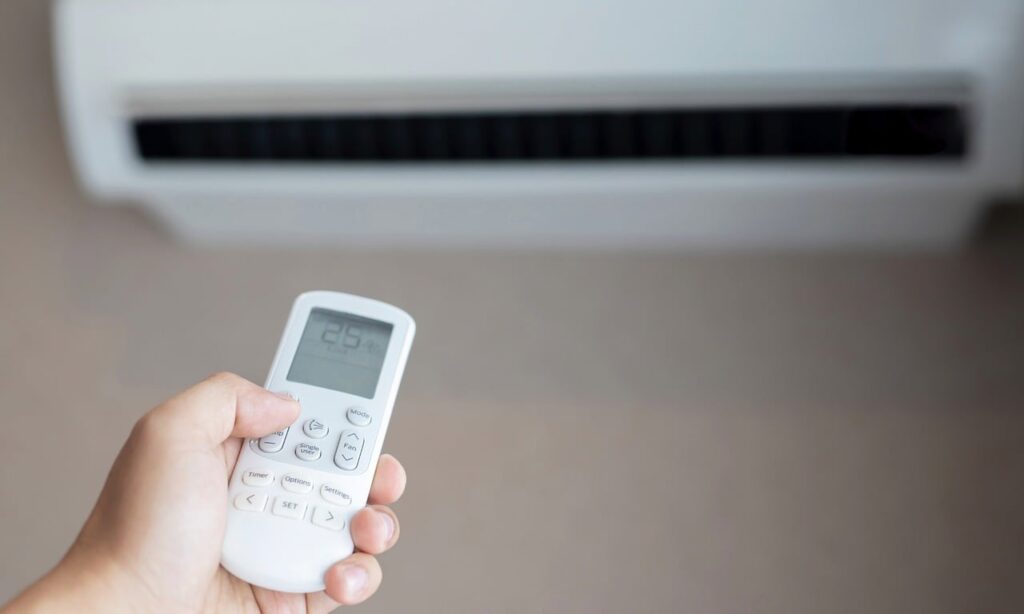
During a heat wave, air conditioning is not always a miracle solution. A poorly used unit can consume plenty of energy while barely cooling the room, leaving you feeling it is blowing air for nothing. From knowing how to clean air conditioner filters to keeping heat out, a few simple habits can make your AC far more effective before you blame the unit.
1. Keep the heat out
Start with the basics: prevent heat from getting in. Insulation helps, but so does common sense. Keep windows, shutters and curtains closed during the day, then open them at night. Opening windows on opposite sides is particularly useful for creating a cross breeze.
Windows often account for a large share of the heat entering a home, and there are plenty of ways to block the sun’s rays. These range from conventional options, such as exterior blinds, shutters, solar screens and window films, to DIY approaches such as aluminum foil stuck to windows or even homemade mixtures applied to the glass.
One detail worth remembering: exterior shading is often more effective than an indoor curtain because it blocks the sun’s rays before they heat the glass.
2. Set the temperature sensibly
Setting your AC to 18 °C does not necessarily cool the room faster. Aim for a comfortable temperature without creating a huge difference between indoors and outdoors. The International Energy Agency (IEA) notes that raising the temperature setting slightly and using a fan alongside the AC can significantly reduce energy use without necessarily sacrificing comfort.
3. Add a fan
As the IEA points out, a fan does not cool the air, but it does help your skin feel cooler. That means you can often set the AC to a slightly higher temperature and still feel comfortable. They work well together: the AC lowers the temperature, while the fan distributes the air more evenly.
Another benefit: a fan generally uses much less energy than an air conditioner. It cannot always replace AC during a heat wave, but it can spare you from running it at full power.
4. Know how to clean air conditioner filters
The reason is technical but straightforward: a dirty filter slows airflow and forces the system to work harder, wasting energy. If your AC’s airflow seems weaker, it smells strange or it runs without cooling effectively, check the filter.
5. Cool the right room
Trying to cool an entire home with one unit is often a bad idea. Instead, focus on the room you actually use: the living room during the day, the bedroom in the evening. Close the doors to unused rooms to concentrate the AC’s cooling effect.
6. Avoid indoor heat sources
Ovens, cooktops, clothes dryers, halogen lights and electronic devices all give off heat. During the hottest hours, it is better to put off using some of them.
7. Remember professional maintenance
Your AC is still a technical system. Cleaning the filter is part of its upkeep, but it is not the whole story. Regular inspections check that it works properly, that condensation drains away and that its general condition is sound, while identifying any loss of performance.
 Open Immovlan