

If your home feels unusually humid after the intense heat wave of the past few days, you’re not alone. Here’s what causes summer condensation in your house and that clammy feeling.
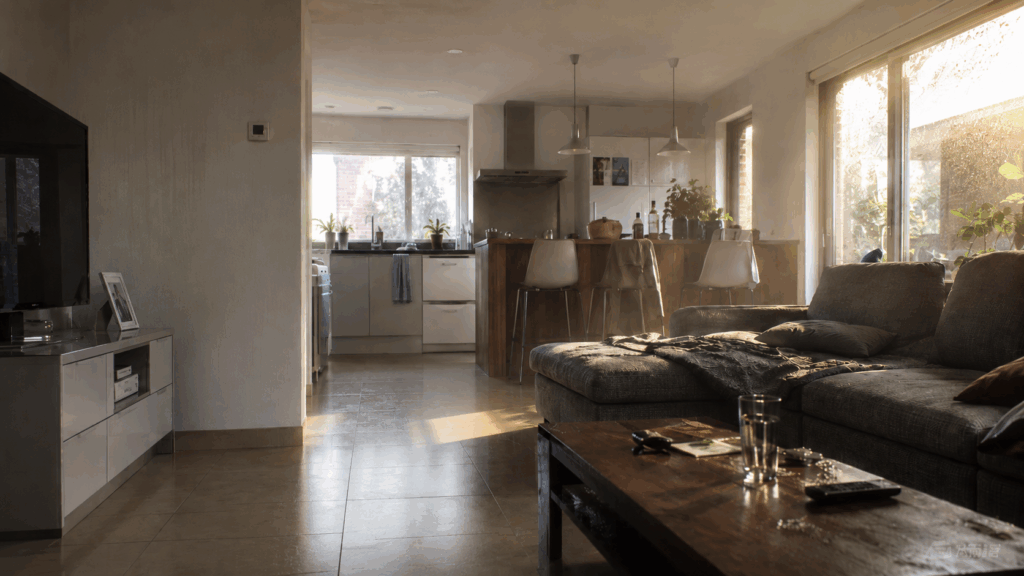
We often associate humidity in the home with winter: foggy windows, cold walls, blackening corners and, in the worst cases, a moldy smell. Yet summer can also leave a home feeling clammy, with moisture-laden air, cool but damp floors and walls that seem to sweat.
What causes summer condensation in your house?
The explanation starts with physics. Warm air can hold more water vapor than cold air. During very hot weather, especially when it feels muggy or stormy, the surrounding air can push up indoor humidity levels. This is even more pronounced in a home without adequate ventilation or air conditioning.
Condensation and excess humidity are not the same thing
Summer condensation forms when warm, humid air meets a colder surface. This typically happens in a basement, an underground garage, a cool laundry room, a north-facing room or on floor tiles that have stayed cold. The air cools on contact with the surface, can no longer hold as much water vapor, and leaves water behind. In this particular situation, airing the space too much in summer can actually make the problem worse by letting in even more warm, humid air.
But condensation is not the only possible cause of a clammy home. Moisture can also come from poor ventilation or from the water vapor released by showers, cooking or laundry drying indoors. It may also point to water infiltration, rising damp or a building defect. Before blaming the weather, check that the problem really does occur only in summer.
What indoor humidity level should you aim for?
A small hygrometer, which measures humidity, can be a useful ally, and it doesn’t cost much. The ideal humidity level is generally between 40% and 60%. Above that, the air feels less comfortable and the risks increase: unpleasant odors, mold, damaged paint, swelling wood and stains on walls or ceilings. Excess humidity can also affect health, particularly among children, older people and those with sensitive airways.
How can you reduce indoor humidity after a heat wave?
The first step is still to air your home, but do it thoughtfully. In living spaces, opening windows regularly lets moisture-laden air escape. This is essential after a shower, during or after cooking, and in a laundry room or a damp bedroom. In a cool basement, however, avoid excessive airing during the hottest part of a humid day.
The second approach is to reduce the amount of water vapor you produce. Take slightly shorter showers, open a window after using the bathroom, cook with a range hood or ventilate while preparing meals, and dry laundry outdoors when possible. These small actions make a difference.
An air conditioner can also be a big help because it removes moisture from the air as well as cooling it. Just don’t overdo it: overly dry air isn’t good for your health either. A fan makes you feel more comfortable and improves air circulation, but it doesn’t actually remove water from the air.
Insulation matters here too
Insulation plays a major role, both in limiting overheating and in reducing cold surfaces where condensation can form.
Shading is also valuable: blinds, shutters, vegetation, trees, green walls or green roofs. Light-colored facades or roofs can also limit heat absorption. The less your home overheats, the less heavy, muggy air it accumulates and the easier it is to manage.
 Open Immovlan