

If you feel the allocation of co-ownership charges (charges de copropriété) in Belgium is unfair, but your building’s general meeting (assemblée générale) refuses to change it, you may sometimes be able to turn to a justice of the peace (juge de paix). You will need sound arguments, though: a bill that simply seems too high is not enough on its own.
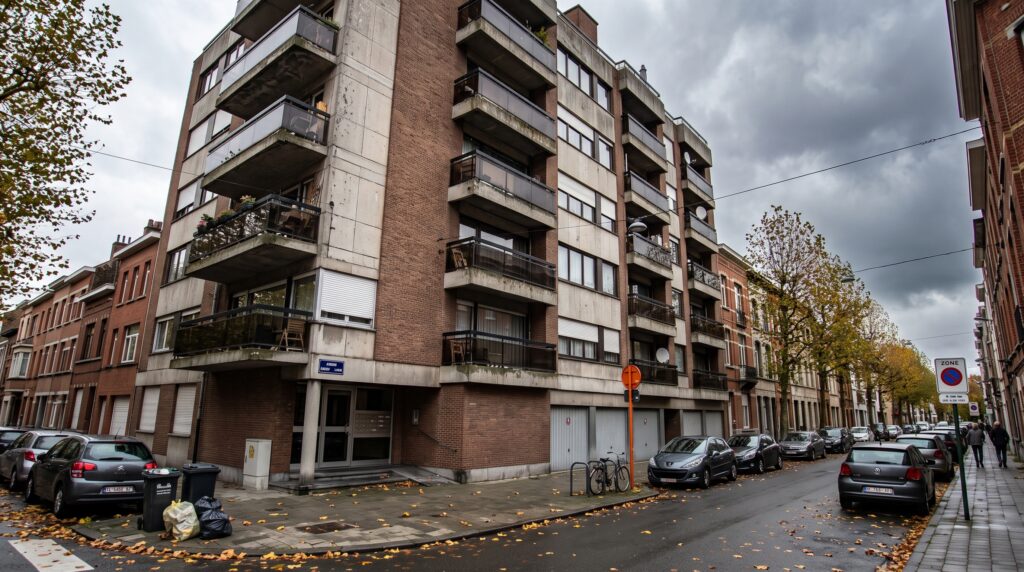
The law on co-ownership charges in Belgium
The law allows any co-owner to ask a judge to change how charges are allocated if that allocation causes them personal harm. It also allows co-owners to request a correction if the calculation of those charges is inaccurate or has become inaccurate following changes to the building.
If the general meeting refuses to reconsider an allocation that seems clearly unfavorable to you, you therefore have a way to challenge it. However, this means bringing legal proceedings before the justice of the peace. It is best to consult a lawyer who can review your case and the arguments that might support your request.
There are two specific situations in which you can consider this procedure: an allocation that personally disadvantages you, or one that has become incorrect following changes to the building.
An allocation that disadvantages you
The first option is to show that the way charges are allocated causes you personal harm. In practice, you must establish that the current allocation creates a clear inequality or requires you to pay a disproportionate share of the expenses.
A classic example is an owner with an apartment on the ground floor and no cellar. They never need to use the elevator, yet still contribute to its costs. Another example is a co-owner who pays toward a heating system that their home is not connected to.
These situations can provide grounds for requesting a change in the allocation. They do not, however, guarantee that the judge will rule in your favor. The outcome of the proceedings remains uncertain, even if the imbalance seems obvious to you.
Before taking action, take the time to assess your chances of success with a lawyer. They can evaluate whether your circumstances really support a request to change the allocation. It is better to know which arguments you can rely on before starting proceedings.
The building has changed, but the allocation has not
Another approach is to show that the allocation of charges no longer reflects the building’s situation. Major alterations can make an old allocation incorrect. These might include substantial building work, a change of use, combining several apartments or, conversely, dividing one home into several units.
For example, an attic might be converted into a studio apartment. The building has changed and now contains an additional home, which may well justify reviewing how charges are calculated and allocated.
In this case, your request must highlight the changes made and their impact on the allocation of expenses. That connection will help explain to the judge why the calculation used until now is no longer correct.
 Open Immovlan