

If you plan to sell a home in Flanders, you may need to provide an asbestos certificate (asbestattest). Find out when an asbestos certificate in Belgium is required, what it is for and what happens if your property contains asbestos.
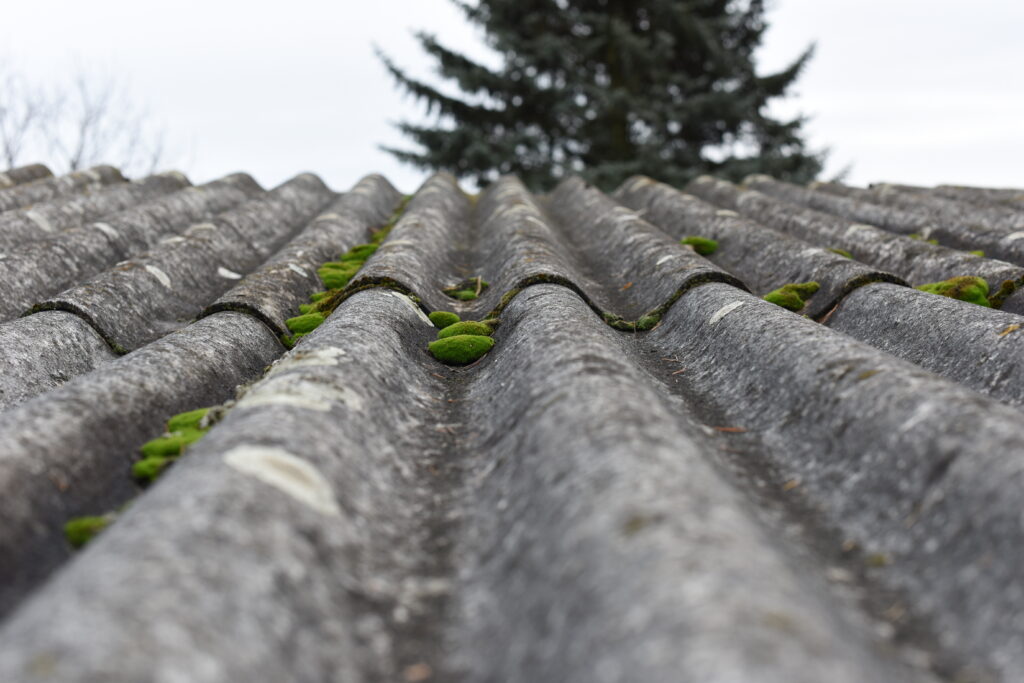
In Flanders, owners of homes built before 2001 must provide an asbestos certificate when selling their property. This requirement exists because many buildings built before that date still contain asbestos fibers, particularly in insulation, flooring, roofing, drainage pipes, gutters and other building components.
This requirement does not (yet) apply in Brussels or Wallonia. However, the Walloon Government has agreed in principle to introduce a mandatory asbestos assessment in the future. The rules may therefore change in the coming years.
When must you provide the certificate?
When you sell your home, you must share the information in the asbestos certificate with the buyer when the sales agreement (compromis de vente) is signed. The certificate’s contents must also be mentioned in the authentic deed of sale (acte authentique de vente).
The rules are different for rentals. An asbestos certificate is currently not mandatory when renting out a home. However, if you already have one, you must inform your tenant.
Who issues an asbestos certificate in Belgium?
To obtain an asbestos certificate in Flanders, you first need an asbestos inventory. An accredited expert carries this out. After the inspection, the expert issues the official certificate, which lists the asbestos-containing materials in the building and describes their condition.
An asbestos certificate generally costs between €350 and €850, depending in particular on the size and complexity of the home.
Do you have to remove asbestos from your home?
Finding asbestos does not mean you must carry out work before selling. As the owner, you are not required to make your home completely asbestos-free before selling it.
The main purpose of the asbestos certificate is to give the buyer accurate information. It tells them whether the property contains asbestos and, if so, where it is and how much is present. They can then make an informed purchase and take appropriate action in the future if they wish.
The certificate is therefore primarily a tool for transparency, helping to prevent unpleasant surprises after the sale and ensuring that both parties are better informed.
Jan Roodhooft, lawyer
 Open Immovlan