

If you hire a contractor to repair your boiler, air conditioning or electrical system, you may expect an automatic two-year warranty on the work. But the rules on a home repair warranty in Belgium depend on what the repair involves. Our lawyer explains what you need to know.
Jan Roodhooft, lawyer (www.advocatenroodhooft.be)
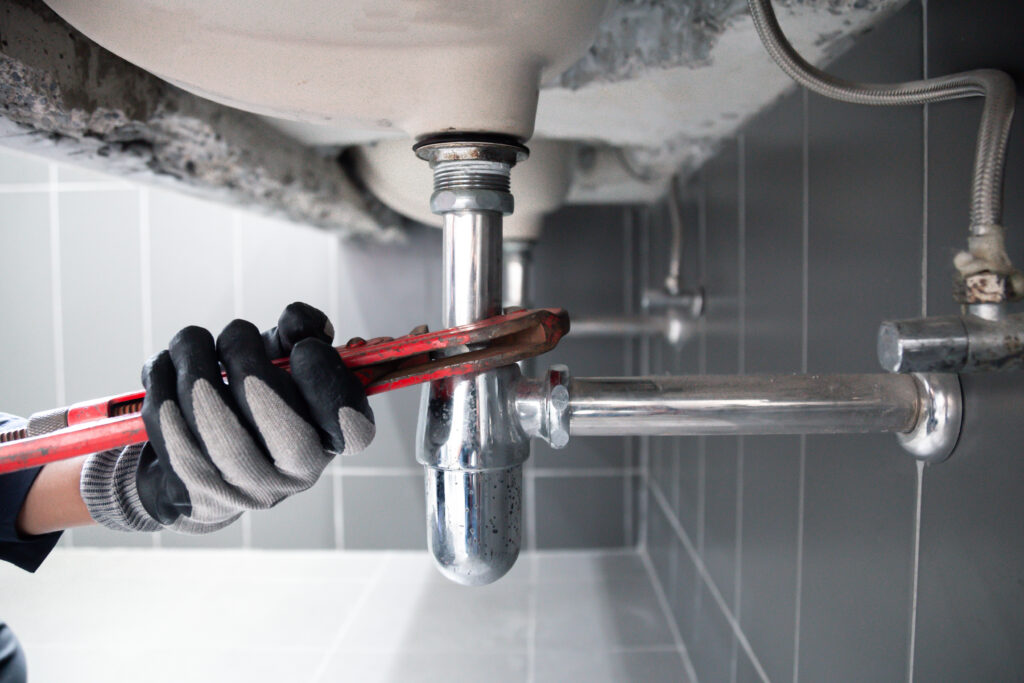
When does a home repair warranty in Belgium last two years?
As a customer, you do not automatically receive a two-year warranty when a contractor carries out a repair in your home. This warranty applies only if you are a consumer and the contractor’s work primarily involves a sale.
For example, you do receive a two-year warranty on a new boiler or a new air conditioning unit that your contractor installs in your home. If the contractor fits a new motor in your electric gate during a repair, that part also comes with a two-year warranty.
But if the repair mainly involves labor, meaning that working hours account for most of the repair’s value rather than replacement parts, your contractor is not required to give you a two-year warranty on the work.
What protection do you have for the repair work itself?
The fact that your contractor is not required to offer a statutory two-year warranty (garantie légale) does not mean you have no warranty protection for the repair. The contractor remains liable to you for visible and hidden defects (vices apparents et cachés) in the work carried out.
If you discover a defect linked to the repair, you must raise it within a short time of discovering it. You must also be able to show that the breakdown resulted from the contractor failing to carry out the repair to proper professional standards, or that there was a hidden defect in the work.
In practice, you need to report any problem promptly and keep evidence of the fault, such as photos, a diagnostic report, written correspondence, etc.
Can a contractor offer a commercial warranty?
Your contractor can also choose to offer a commercial warranty (garantie commerciale) on the repairs carried out. This gives you broader protection than the law provides. The scope of that commercial warranty determines exactly what you can claim.
For example, your contractor may offer an additional warranty only for certain defects. It might cover only replacement parts and not labor hours, or the other way around.
Always read the warranty terms you are offered carefully to avoid misunderstandings if a problem arises later.
 Open Immovlan