

The way our homes use energy has been changing for several years, and that change is set to accelerate. Electricity grid capacity in Brussels is part of a wider debate: is the network ready to keep up?
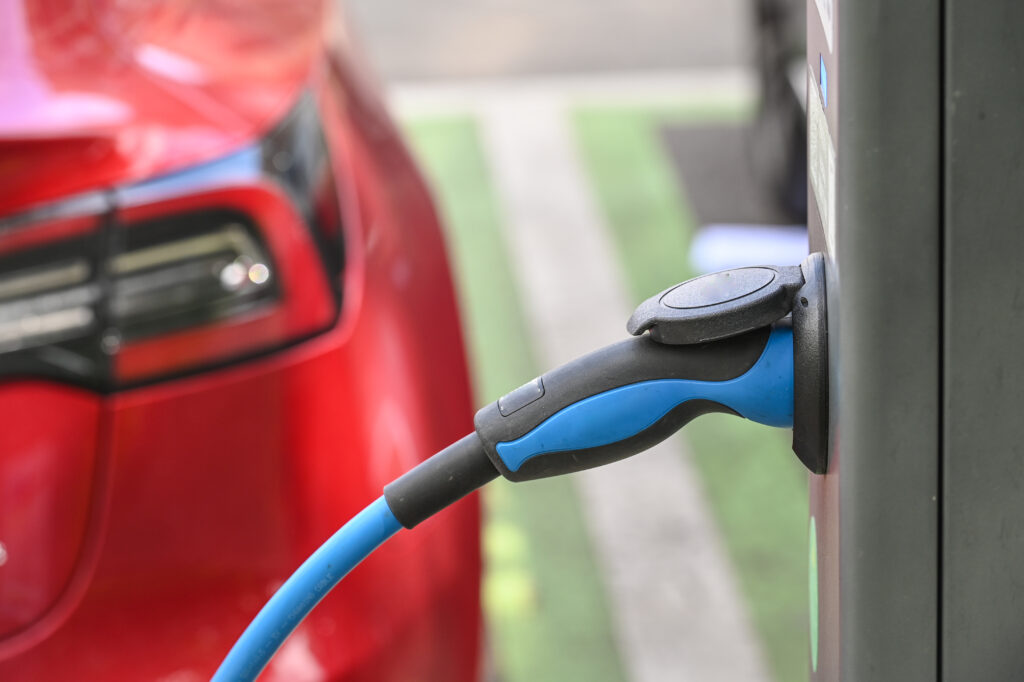
Why electricity grid capacity in Brussels matters
A heat pump keeps your home warm, and you plug in your car after work. Meanwhile, solar panels on the roof generate electricity. These technologies are changing how we consume and produce power. Demand is growing, and so is production, but the grid needs to keep pace. The cables beneath our streets must be able to handle the load.
In a publication dated October 19, BRUGEL, the regulator of Brussels’ energy market, calls for better preparation for this shift. Its message is to anticipate needs early enough and better manage areas where the grid risks being overloaded. Responsibilities also need to be clearly defined.
When everyone plugs in their car
Imagine a street where several residents charge their cars in the evening while heat pumps are running and meals are being prepared. The grid has to deliver a lot of electricity at once. What matters is the power needed at a given moment, not just total consumption over the year. This is precisely the kind of situation that raises concerns about the state of the grid.
The flow can also go the other way: at midday, solar panels feed electricity that is not used on-site into the grid. Depending on the installations and the neighborhood, this can put the network under strain.
Specialists use the term congestion when the grid cannot carry all the electricity being demanded or produced at a particular place and time. The grid has its own rush hours, too!
Brussels is already preparing for what comes next
Sibelga, which manages Brussels’ distribution networks, says the local electricity grid has enough capacity for current needs. The challenge is to anticipate how those needs will change. BRUGEL points out, however, that some parts of Elia’s transmission grid already face constraints. These can limit certain connections in Brussels, even where the local network still has spare capacity.
Some infrastructure therefore needs upgrading, but electricity use also needs to be spread out more effectively. A car parked all night does not necessarily need to start charging at full power at 6 p.m.
A smart charger can, for example, slow down charging when other appliances in the home are using a lot of electricity. Sibelga recommends choosing a power rating that matches your actual needs. The most powerful charger in the catalog is not automatically the best choice for your garage.
Apartment buildings need a collective approach
In a building under co-ownership (copropriété), it is worth discussing charging with the property manager (syndic) before everyone orders their own charger. The building’s electricity connection must be able to handle all uses combined.
Sibelga provides for a collective approach in buildings with more than three parking spaces. A system can, for example, share the available power between cars that are plugged in. The installation also needs to account for future users: it is better to plan for more electric vehicles than to redo the work every time someone buys one.
 Open Immovlan