

Since July 1, 2026, new energy performance certificates (energieprestatiecertificaten, or EPCs) issued in Flanders include an extra piece of information: an estimate of the capacity needed to heat the building. That small figure in kilowatts can be a useful guide to heat pump sizing.
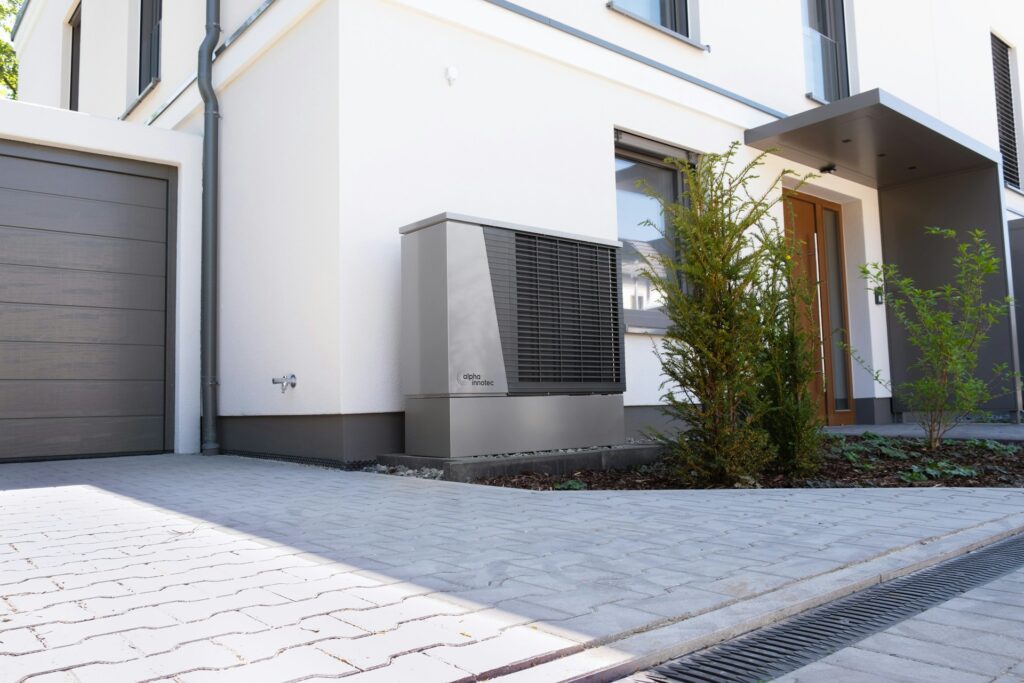
This estimate appears on new EPCs for homes and small nonresidential units. You will find it in the space heating section of the heating system’s technical data sheet. It does not appear on EPCs for communal areas.
The aim is to give you a rough idea of the capacity needed before replacing a boiler or installing a heat pump. The figure changes neither the energy label nor the EPC score: it is simply a guide to help you discuss your options with the installer.
Why heat pump sizing can affect your costs
A system that is too powerful will not necessarily make your home more comfortable. An oversized heat pump can start and stop frequently. This repeated cycling accelerates wear and can reduce its energy efficiency. A more powerful unit also costs more to buy.
At the other extreme, a unit that is too small may struggle to maintain a comfortable temperature during cold spells. The aim is not to choose “the biggest model, just in case,” but one that actually matches the building’s needs.
A large difference deserves a closer look
The Flemish administration gives a telling example: if the EPC estimates a requirement of 14 kW and the quote proposes a 25 kW system, that difference deserves an explanation. It does not automatically mean the installer is wrong, but it does warrant at least a few questions.
An estimate, not a prescription
The calculation uses standardized conditions, including an average indoor temperature of 18 °C and an outdoor temperature of −7 °C. It also takes into account the protected building volume, heat-loss surfaces, insulation, ventilation, heat recovery and the building’s mass, among other factors.
These assumptions allow buildings to be compared using a consistent method. They do not necessarily reflect each household’s habits. Heating your home to 21 °C, working from home all day or wanting to warm the house quickly after an absence can change your actual needs. Nothing replaces a professional assessment.
Do not overlook domestic hot water
The stated capacity relates only to space heating. It does not necessarily cover producing hot water for showers, baths or faucets.
A unit with a higher capacity than the EPC estimate may therefore make sense if it also needs to produce a lot of domestic hot water. That is why the figure should be a starting point, not a verdict engraved on your radiator.
Thermal output and electrical input are not the same
Both values are expressed in kilowatts, but they measure different things. Thermal output is the heat supplied to the home. Electrical input is the electricity the unit consumes.
A heat pump can, for example, draw 2 kW of electrical power and deliver 8 kW of heat, because it also captures heat from the air, ground or groundwater. When comparing two quotes, check which kind of kilowatts each one refers to.
 Open Immovlan